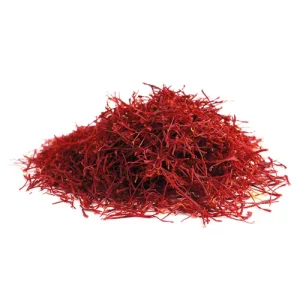
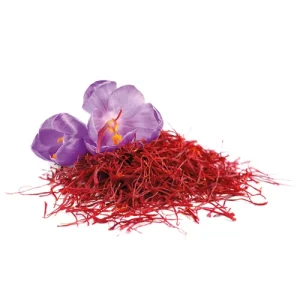
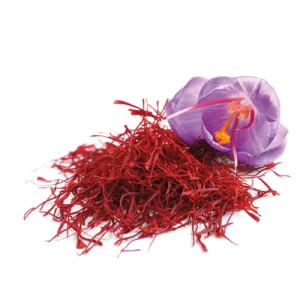
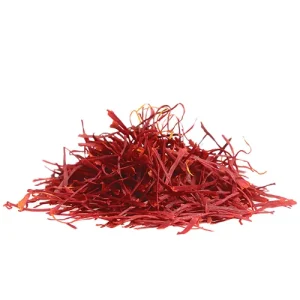
Pushal Saffron offers a familiar and trusted choice for many saffron users. Farmers across Iran produce this type of saffron in large quantities. This makes it one of the most widely available varieties in the market. You can recognize Pushal Saffron by its combination of the red stigma and a small portion—usually 2 to 5 millimeters—of the yellow style. This yellow part remains attached to the red threads. It gives the saffron a natural and unaltered appearance.
Many people prefer Pushal Saffron because it looks more authentic. Since the yellow part is still connected, it’s harder to fake or alter. This builds more trust among buyers. Although it includes part of the white style, it still contains a higher proportion of red stigma compared to bunch saffron. As a result, it offers greater coloring power. It also enhances both the flavor and visual appeal of food.
Cooks use it in a wide range of dishes. These include traditional Persian rice, stews, teas, and even desserts. Its coloring power typically falls between 1 to 2 units. This depends on the specific grade. You can find Pushal Saffron in different grades—Grade A, Grade B, and Grade C. Each grade offers varying levels of quality and potency. Even at lower grades, it performs well in everyday cooking. It delivers that unmistakable saffron aroma.
The “Ordinary” type of Pushal Saffron dominates the Iranian market. Most local farmers grow and process this version. This helps keep its price more affordable compared to finer types like Super Negin or Sargol. Despite its abundance, this saffron remains reliable for both home kitchens and food manufacturers.
Store it in an airtight container in a cool, dark place. That way, you’ll preserve its color, aroma, and strength for months. Overall, Pushal Saffron combines quality, availability, and trust. All of that comes in one vibrant strand. Its balance of quality and accessibility makes Pushal Saffron a practical choice for both everyday meals and larger-scale culinary use.